
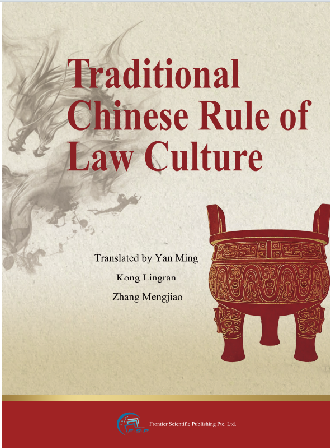
Traditional Chinese Rule of Law Culture | Translators: Yan Ming, Kong Lingran, Zhang
Mengjiao
--Frontier Scientific Publishing Pte. Ltd. 2026.3.
ISBN: 979-8-9591-3760-1
Ⅰ. ① Traditional Chinese Rule of Law Culture Ⅱ. ① Yan Ming… Ⅲ. ① Introduction ② Chapter
1... ③ Chapter 2... ④ Chapter 3...
Title: Traditional Chinese Rule of Law Culture
Publication: Frontier Scientific Publishing Pte. Ltd.
Address: 195 PEARL’S HILL TERRACE, #03-50K, SINGAPORE
Postal code: 168976
Format: 185mm×260mm 1/16
Number of words: 573600 words
Edition: 2026.3. First edition
Printing: 2026.3. For the first time
ISBN: 979-8-9591-3760-1
List Price: US $ 68.00
Original Chinese copyright held by Taishan Publishing House Co., Ltd.
Introduction............................................................................................................................................1
1. How to View Traditional Chinese Rule of Law Culture .............................................................2
2. The Formation of Chinese Traditional Rule of Law Culture.....................................................6
3. The Composition of Chinese Traditional Rule of Law Culture ...............................................12
4. The Characteristics of Chinese Traditional Rule of Law Culture...........................................20
Chapter 1 The Formation of Traditional Chinese Rule of Law Culture ........................................26
I. The End of “Criminal Punishment Does Not Extend Up to the Senior Nobles, Rites Do Not
Extend Down to the Common People”...........................................................................................26
II. The Debate on the Relationship between Li (Rites) and Fa (Laws) in the Spring and
Autumn and Warring States Periods .............................................................................................45
III. The Debate on the Relationship between De (Virtue) and Fa (Laws) in the Spring and
Autumn and Warring States Periods .............................................................................................57
IV. The Debate on the Relationship between Fazhi (Rule by Law) and Renzhi (Rule by Man)
during the Spring and Autumn and Warring States Periods.......................................................68
V. The Spirit of Rule by Law in the Political Reforms of the Spring and Autumn and Warring
States Periods....................................................................................................................................76
Chapter 2 The Evolution of Traditional Chinese Rule of Law Culture.........................................99
I. The Foundation of Traditional Rule of Law: From the Legendary Era to the Unification of
the Six States by Qin ......................................................................................................................100
II. The Development Period of Traditional Rule of Law............................................................136
III. The Evolution of Traditional Rule of Law Culture ..............................................................153
Chapter 3 The Legal Characteristics of the Operation of Traditional Chinese Dynasties..........162
I. Standardization of Imperial Edicts...........................................................................................162
II. The Systematization of Lü (codes), Ling (decrees), Ge (rules), and Shi (regulations) ........179
III. Legalization of Central Administration.................................................................................195
IV. Standardization of Local Governance Systems.....................................................................215
Chapter 4 The Pursuit of Fairness and Justice in Traditional Chinese Criminal Justice...........225
I. Upholding the Principle of Equality for Those Liable to Punishment ..................................225
II. The Rigor of Criminal Judicial Provisions.............................................................................251
III. The Impartiality of Criminal Judicial Procedure.................................................................259
IV. The Practice of Integrating Li (Rites) into Law with Equal Emphasis on Morality and
Punishment .....................................................................................................................................285
Chapter 5 The Pursuit of Fairness and Justice in Traditional Chinese Civil Justice ..................295
I. Moral Discretion in Civil Justice...............................................................................................296
II. The Incorporation of Rites and Customs into Civil Justice ..................................................312
III. The Predominance of Legal Institutions in Civil Justice .....................................................328
Chapter 6 The Legal Logic of Social Governance in Traditional China ......................................340
I. Legal Rules of Traditional Population Management ..............................................................341
II. Legal Governance of Taxation and Corvée Collection in Traditional Chinese Society......360
III. Legal Regulation and Guidance of Folk Practices in Traditional Chinese Society...........371
IV. The Interaction between Shaping the Mind through Education and the Rule of Law......388
Chapter 7 The Contractual Consciousness in Traditional Chinese Civil Society ........................398
I. The Contractual Consciousness in Economic Activities..........................................................400
II. The Contractual Consciousness in Social Activities...............................................................420
III. The Contractual Consciousness in Internal Clan Affairs ....................................................441
Chapter 8 The Rule Consciousness in Traditional Chinese Trade Regulations, Village Rules, and
Folk Conventions ...............................................................................................................................453
I. Diverse Trade Regulations and the Rule Consciousness.........................................................454
II. The Rule Consciosness in Village Regulations and Agreements...........................................471
III. The Rule Consciousness in Family Rules, Clan Regulations, and the Patriarchal Order 479
Conclusion ..........................................................................................................................................496
Postscript ............................................................................................................................................502
1. How to View Traditional Chinese Rule of Law Culture .............................................................2
2. The Formation of Chinese Traditional Rule of Law Culture.....................................................6
3. The Composition of Chinese Traditional Rule of Law Culture ...............................................12
4. The Characteristics of Chinese Traditional Rule of Law Culture...........................................20
Chapter 1 The Formation of Traditional Chinese Rule of Law Culture ........................................26
I. The End of “Criminal Punishment Does Not Extend Up to the Senior Nobles, Rites Do Not
Extend Down to the Common People”...........................................................................................26
II. The Debate on the Relationship between Li (Rites) and Fa (Laws) in the Spring and
Autumn and Warring States Periods .............................................................................................45
III. The Debate on the Relationship between De (Virtue) and Fa (Laws) in the Spring and
Autumn and Warring States Periods .............................................................................................57
IV. The Debate on the Relationship between Fazhi (Rule by Law) and Renzhi (Rule by Man)
during the Spring and Autumn and Warring States Periods.......................................................68
V. The Spirit of Rule by Law in the Political Reforms of the Spring and Autumn and Warring
States Periods....................................................................................................................................76
Chapter 2 The Evolution of Traditional Chinese Rule of Law Culture.........................................99
I. The Foundation of Traditional Rule of Law: From the Legendary Era to the Unification of
the Six States by Qin ......................................................................................................................100
II. The Development Period of Traditional Rule of Law............................................................136
III. The Evolution of Traditional Rule of Law Culture ..............................................................153
Chapter 3 The Legal Characteristics of the Operation of Traditional Chinese Dynasties..........162
I. Standardization of Imperial Edicts...........................................................................................162
II. The Systematization of Lü (codes), Ling (decrees), Ge (rules), and Shi (regulations) ........179
III. Legalization of Central Administration.................................................................................195
IV. Standardization of Local Governance Systems.....................................................................215
Chapter 4 The Pursuit of Fairness and Justice in Traditional Chinese Criminal Justice...........225
I. Upholding the Principle of Equality for Those Liable to Punishment ..................................225
II. The Rigor of Criminal Judicial Provisions.............................................................................251
III. The Impartiality of Criminal Judicial Procedure.................................................................259
IV. The Practice of Integrating Li (Rites) into Law with Equal Emphasis on Morality and
Punishment .....................................................................................................................................285
Chapter 5 The Pursuit of Fairness and Justice in Traditional Chinese Civil Justice ..................295
I. Moral Discretion in Civil Justice...............................................................................................296
II. The Incorporation of Rites and Customs into Civil Justice ..................................................312
III. The Predominance of Legal Institutions in Civil Justice .....................................................328
Chapter 6 The Legal Logic of Social Governance in Traditional China ......................................340
I. Legal Rules of Traditional Population Management ..............................................................341
II. Legal Governance of Taxation and Corvée Collection in Traditional Chinese Society......360
III. Legal Regulation and Guidance of Folk Practices in Traditional Chinese Society...........371
IV. The Interaction between Shaping the Mind through Education and the Rule of Law......388
Chapter 7 The Contractual Consciousness in Traditional Chinese Civil Society ........................398
I. The Contractual Consciousness in Economic Activities..........................................................400
II. The Contractual Consciousness in Social Activities...............................................................420
III. The Contractual Consciousness in Internal Clan Affairs ....................................................441
Chapter 8 The Rule Consciousness in Traditional Chinese Trade Regulations, Village Rules, and
Folk Conventions ...............................................................................................................................453
I. Diverse Trade Regulations and the Rule Consciousness.........................................................454
II. The Rule Consciosness in Village Regulations and Agreements...........................................471
III. The Rule Consciousness in Family Rules, Clan Regulations, and the Patriarchal Order 479
Conclusion ..........................................................................................................................................496
Postscript ............................................................................................................................................502
Yan Ming, PhD, Professor, Doctoral Supervisor, Fulbright Visiting Scholar, and the Sixth
Teaching Master of General Higher Education in Heilongjiang Province. He formerly served as
Vice President of Heilongjiang University, and concurrently held positions as Member of the
National Steering Committee for Graduate Education in Translation and Interpreting, Member
of the National College English Test Band 4 and 6 Committee, Director of the Heilongjiang
Provincial Steering Committee for Foreign Language and Literature Teaching in Higher
Education Institutions, and Council Member of the Translators Association of China.
His main research areas include foreign language education, professional degree education
in translation, and teaching evaluation. He has led and completed over 10 projects funded by
the National Social Science Fund of China, the Ministry of Education’s Humanities and Social
Sciences Research Projects, and other provincial and ministerial-level projects. He has published
more than 50 academic papers in important journals such as Guangming Daily, China Higher
Education Research, Modern Foreign Languages, Foreign Language World, and Foreign
Language Research. He has published 3 monographs, 5 compiled works, and edited 4 series of
textbooks comprising over 60 volumes.
His teaching and research achievements are prolific. He has received the Second Prize
of National Teaching Achievement Award, and been recognized for one National First-Class
Undergraduate Course and one National Quality Course. He has also won three First Prizes of
Heilongjiang Provincial Teaching Achievement Award, two Provincial Outstanding Research
Achievement Awards, and four Provincial Outstanding Educational Research Achievement
Awards. His accomplishments in textbook development are particularly notable, having served as
chief editor of four textbooks under the National Planning Textbooks for the 11th Five-Year Plan,
1 textbook under the 12th Five-Year Plan, and 1 textbook under the 14th Five-Year Plan.
Kong Lingran, PhD, Associate Professor, Master’s Supervisor in English Language and
Literature, Master’s Supervisor in English Translation, Harbin Normal University. She is an
academic researcher with a focus on Anglophone literature and cultural studies, and translation
studies. She has led and joined in 5 projects funded by National Social Science Fund of China, the
Ministry of Education’s Humanities and Social Science Research Projects, and other provincial
projects. She has published more than 10 academic papers in CSSCI journals such as Foreign
Literature, Foreign Language Research, Journal of Beijing International Studies University,
and Foreign Languages and Literature. She has been engaged in translation and cross-cultural
exchange for many years, committed to presenting accurate, fluent, and culturally appropriate
renditions of academic works. Her translation practice emphasizes faithfulness to the original
text, clarity of expression, and respect for the authors’ intentions.
Zhang Mengjiao is a PhD candidate in Translation and Interpreting at Heilongjiang
University. She has passed the China Accreditation Test for Translators and Interpreters (CATTI)
at Level II in both translation and interpreting. She is determined to devote herself to the field of
translation, and this book represents her first translation project completed under the supervision
and guidance of Professor Yan Ming.
Worldcat: https://www.worldcat.org/
Ebsco: https://research.ebsco.com/
Crossref: 10.32629/9798959137601