
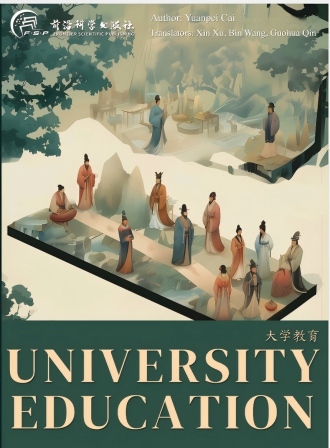
University Education | Yuanpei Cai.
--Frontier Scienti c Publishing Pte. Ltd. 2025.3.
ISBN:978-981-17645-9-2
Ⅰ . ① University Education Ⅱ . ① Yuanpei Cai Ⅲ . ① Peking University Reform ② Student Edition
③ Educational Philosophy ④ Culture ⑤ Worldview ⑥ Biography
Title: University Education
Publication: Frontier Scientific Publishing Pte. Ltd.
Address: 195 PEARL’SHILLTERRACE, #03-50K, SINGAPORE
Postal code: 168976
Format: 188mm×265mm 1/16
Print: 18.8
Number of words: 200000 words
Edition: 2025.3.First edition
Printing: 2025.3.For the first time
ISBN: 978-981-17645-9-2
List Price: US $ 68.00
Peking University Reform................................................................................................................................1
Speech upon Taking Office as President of Peking University ............................................................... 1
Illustration of the Flag of National Peking University .............................................................................4
The Facts and Reasons of University Reform..........................................................................................5
Speech on the Establishment of the Journalism Research Society at Peking University ......................10
Speech at the Painting Research Society of Peking University .............................................................12
Introductory Remarks of Peking University Monthly ............................................................................ 14
Peking University Opening Day Speech in 1922...................................................................................16
Address at the Welcome Meeting of the Chinese Students' and Scholars' Association in Edinburgh .. 18
Speech at the Opening of the Peasants' Evening School in Peking University .....................................22
Inscription for the Commemorative Publication of the Peking University Philosophy Department
Alumni Association in 1925................................................................................................................... 24
Preface to Peking University's 31st Anniversary Commemorative Journal.......................................... 25
My Experience at Peking University ..................................................................................................... 26
Student Edition............................................................................................................................................... 37
Hope for Students................................................................................................................................... 37
Reflections Since May Fourth Last Year and Hopes for the Future ...................................................... 42
Reading and National Salvation .............................................................................................................43
How to Be a Modern Student.................................................................................................................45
Educational Philosophy.................................................................................................................................. 52
On Opinions for New Education ............................................................................................................52
The Divergence Between New Education and Old Education .............................................................. 60
Four-Year Anniversary Address of Chinese University .........................................................................63
Speech at the Joint Lecture Meeting of the Three Conferences on Dedication to Work and Learning at
Nankai University ...................................................................................................................................65
Speech at Yuede School in Baoding.......................................................................................................69
Preface to the Outline of the History of Chinese Philosophy................................................................ 71
Scientific Cultivation ..............................................................................................................................74
Lecture at the Education and Society Magazine of the Beijing Higher Normal School....................... 77
Education Independence .........................................................................................................................80
Preface to the Methodology of Sociology ...............................................................................................83
University Education .............................................................................................................................. 86
My Reading Experience ......................................................................................................................... 91
On the Question of Reading Scripture ................................................................................................... 93
Culture ............................................................................................................................................................ 95
Digestion of Civilization ........................................................................................................................ 96
Preface to the Journal of Learning Spirit............................................................................................... 97
Speech at the Advanced Department of Tsinghua University ..............................................................104
Combination of Eastern and Western Cultures.................................................................................... 108
Speech at Dewey's 60th Birthday Dinner.............................................................................................110
Worldview.....................................................................................................................................................112
Worldview and Life View.....................................................................................................................112
The Flood and the Beast....................................................................................................................... 117
The Sanctity of Labor........................................................................................................................... 118
Obligations and Rights......................................................................................................................... 119
Aesthetic Education..............................................................................................................................122
Theory of Replacing Religion with Aesthetic Education .....................................................................126
Aesthetic Education and Life ............................................................................................................... 132
Biography..................................................................................................................................................... 135
Biography (Part 1)................................................................................................................................ 135
Biography (Part 2)................................................................................................................................ 156
Postscript...............................................................................................................................................167
Speech upon Taking Office as President of Peking University ............................................................... 1
Illustration of the Flag of National Peking University .............................................................................4
The Facts and Reasons of University Reform..........................................................................................5
Speech on the Establishment of the Journalism Research Society at Peking University ......................10
Speech at the Painting Research Society of Peking University .............................................................12
Introductory Remarks of Peking University Monthly ............................................................................ 14
Peking University Opening Day Speech in 1922...................................................................................16
Address at the Welcome Meeting of the Chinese Students' and Scholars' Association in Edinburgh .. 18
Speech at the Opening of the Peasants' Evening School in Peking University .....................................22
Inscription for the Commemorative Publication of the Peking University Philosophy Department
Alumni Association in 1925................................................................................................................... 24
Preface to Peking University's 31st Anniversary Commemorative Journal.......................................... 25
My Experience at Peking University ..................................................................................................... 26
Student Edition............................................................................................................................................... 37
Hope for Students................................................................................................................................... 37
Reflections Since May Fourth Last Year and Hopes for the Future ...................................................... 42
Reading and National Salvation .............................................................................................................43
How to Be a Modern Student.................................................................................................................45
Educational Philosophy.................................................................................................................................. 52
On Opinions for New Education ............................................................................................................52
The Divergence Between New Education and Old Education .............................................................. 60
Four-Year Anniversary Address of Chinese University .........................................................................63
Speech at the Joint Lecture Meeting of the Three Conferences on Dedication to Work and Learning at
Nankai University ...................................................................................................................................65
Speech at Yuede School in Baoding.......................................................................................................69
Preface to the Outline of the History of Chinese Philosophy................................................................ 71
Scientific Cultivation ..............................................................................................................................74
Lecture at the Education and Society Magazine of the Beijing Higher Normal School....................... 77
Education Independence .........................................................................................................................80
Preface to the Methodology of Sociology ...............................................................................................83
University Education .............................................................................................................................. 86
My Reading Experience ......................................................................................................................... 91
On the Question of Reading Scripture ................................................................................................... 93
Culture ............................................................................................................................................................ 95
Digestion of Civilization ........................................................................................................................ 96
Preface to the Journal of Learning Spirit............................................................................................... 97
Speech at the Advanced Department of Tsinghua University ..............................................................104
Combination of Eastern and Western Cultures.................................................................................... 108
Speech at Dewey's 60th Birthday Dinner.............................................................................................110
Worldview.....................................................................................................................................................112
Worldview and Life View.....................................................................................................................112
The Flood and the Beast....................................................................................................................... 117
The Sanctity of Labor........................................................................................................................... 118
Obligations and Rights......................................................................................................................... 119
Aesthetic Education..............................................................................................................................122
Theory of Replacing Religion with Aesthetic Education .....................................................................126
Aesthetic Education and Life ............................................................................................................... 132
Biography..................................................................................................................................................... 135
Biography (Part 1)................................................................................................................................ 135
Biography (Part 2)................................................................................................................................ 156
Postscript...............................................................................................................................................167
徐欣,女,山东济南人。现为曲阜师范大学外国语学院教授,博士生导师,MTI 研究中心主任。
主要研究方向为中国文化海外传播研究和语料库翻译学。
主持国家社科基金项目、教育部青年基金项目、中国博士后特别资助项目等各级科研项目 10
余项。在 SSCI、SCI、A&HCI、CSSCI 等级别刊物发表论文 20 余篇,出版专著(译著)4 部。研究成
果曾获山东省社科成果三等奖。
Xin Xu, female, hails from Jinan, Shandong Province. She is currently a professor at the School of
Foreign Languages at Qufu Normal University, a doctoral supervisor, and the director of the MTI Research
Center. Her primary research interests include the overseas dissemination of Chinese culture and
corpus-based translation studies. She has led over ten research projects at various levels, including the National Social Science Fund
project, the Ministry of Education's Young Scholars Fund project, and the Special Postdoctoral Funding
Project in China. Xu has published more than 20 papers in journals indexed by SSCI, SCI, A&HCI, and
CSSCI, and has authored or translated four monographs. Her research achievements have been awarded
the Third Prize for Social Science Achievements in Shandong Province. 王斌,男,戏剧戏曲学博士。现为曲阜师范大学文学院副教授、中国古代文学硕士研究生导师。
2019—2020年间为英国曼彻斯特大学访问学者。当前研究兴趣为文化制度的建立与表达。
本人已主持教育部人文社科基金项目2项、省级社科基金项目1项,参与国家社科基金项目2项、
教育部基金项目3项。在A&HCI、CSSCI等学术期刊发表论文20篇,参与学术论著撰写1部。
Bin Wang, male, holds a Ph.D. in Drama and Theatre Studies. Currently, he serves as an associate
professor at the School of Arts of Qufu Normal University and is a graduate supervisor for master's
students in Chinese Ancient Literature. Between 2019 and 2020, he was a visiting scholar at the University
of Manchester in the United Kingdom. His current research interests focus on the establishment and
expression of cultural systems. He has led two projects funded by the Ministry of Education's Humanities and Social Sciences Fund
and one provincial social science fund project. Additionally, he has participated in two National Social
Science Fund projects and three Ministry of Education fund projects. He has published 20 papers in
academic journals indexed by A&HCI and CSSCI, and has contributed to the writing of one academic
monograph. 秦国华,女,中共党员,副教授,硕士研究生,齐鲁理工学院文学院执行院长、党总支副书记。
主要讲授《基础英语》《英语阅读》《英语语法》《高级英语》《基础口译》《英语课程与教学论》
等课程。在省级期刊发表论文10篇,主持教育部产学合作协同育人项目1项,参与省级教科研课题6
项,主持或参与校级教科研课题10余项,获省级教学成果二等奖1项,参与编写教材2部,出版译著
1部,参与建设山东省社区教育优秀课程资源1门。多次辅导学生参加地市级、省级外语大赛获优秀
指导奖,获外研社“教学之星”大赛全国复赛二等奖,第六届“外教社杯”全国高校外语教学大赛
山东赛区英语专业组三等奖,校级教学创新大赛三等奖。多次荣获校级“优秀教师”“师德标兵”
“优秀处级干部”“优秀共产党员”称号。
Guohua Qin, female, a member of the Communist Party of China, is an associate professor and a
master's supervisor. She currently serves as the Executive Dean of the School of Arts at Qilu University of
Technology and the Deputy Secretary of the Party General Branch. Her primary teaching responsibilities
include courses such as "Basic English", "English Reading", "English Grammar", "Advanced English", "Basic Interpretation", and "Curriculum and Instruction in English." She has published ten papers in provincial-level journals, led one project under the Ministry of
Education's Industry-University Cooperation and Collaborative Education initiative, and participated in six
provincial-level teaching and research projects. Additionally, she has led or participated in over ten
university-level teaching and research projects. Qin has received a Second Prize for Teaching
Achievements at the provincial level, co-authored two textbooks, published one translated work, and
contributed to the development of an excellent community education course resource in Shandong
Province. She has repeatedly guided students in municipal and provincial foreign language competitions, earning the Excellent Guidance Award. Qin has also achieved a Second Prize in the national semifinals of
the "Teaching Star" competition organized by Foreign Language Teaching and Research Press, and a Third
Prize in the English Major Group of the Shandong Regional Competition of the 6th "Foreign Language
Teaching and Research Press Cup" National College Foreign Language Teaching Competition. She has
been awarded the Third Prize in the university-level Teaching Innovation Competition multiple times and
has received numerous accolades, including "Outstanding Teacher", "Model of Teacher Ethics",
"Outstanding Middle-Level Cadre", and "Outstanding Communist Party Member" at the university level
Worldcat: https://www.worldcat.org/
Ebsco: https://research.ebsco.com/
Crossref: 10.32629/9789811764592