
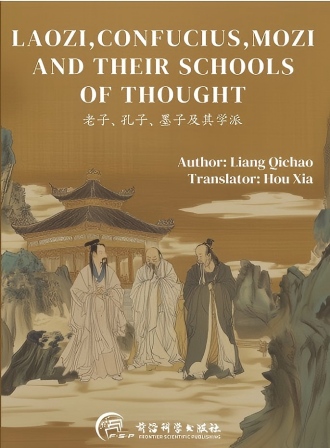
Book Title Laozi, Confucius, Mozi and Their Schools of Thought
Proofreader Lv Zeqing
Cover Design Qiao Beibei
Publisher Frontier Scientific Publishing
Publisher Address 37 Hougang Avenue 7, #15-05 Evergreen Park, Singapore
Code 538803
Format 710mm×1000mm 1/16
Print Copies 6.5
Words 200000 words
Edition First printing,Dce., 2024
Impression First printing,Dce., 2024
ISBN 978-981-17645-6-1
printed version non open access please contact the publisher to buy the electrical version
Learning and Being a Person...........................................................................................1
Part 1 The Philosophy of Laozi.......................................................................................7
Section 1 The Biography of Laozi...................................................................................... 7
Section 2 The Teachings of Laozi.......................................................................................8
Part 2 Confucius.............................................................................................................28
Section 1 The Deeds and Era of Confucius.......................................................................28
Section 2 The Materials for Studying Confucius's Doctrines............................................32
Section 3 The Outline of Confucius's Philosophy.............................................................36
Section 4 Confucius's Philosophical Theory and the I Ching............................................56
Section 5 Confucius's Political Theory and The Spring and Autumn Annals.................... 69
Section 6 Conclusion........................................................................................................ 84
Part 3 The Case of Mozi Preface...................................................................................95
Autobiographical Note......................................................................................................95
Section 1 General Discussion............................................................................................98
Section 2 The Fundamental Concept of Mohist Learning - Universal Love................... 105
Section 3 Mozi's Utilitarianism and His Economic Theory............................................ 110
Section 4 Mozi's Religious Thoughts..............................................................................118
Section 5 The Organizational Method of Mozi's New Society....................................... 125
Section 6 The Practice of the Mohist School.................................................................. 127
Section 7 Mohist Logic and Other Sciences....................................................................132
Section 8 Conclusion...................................................................................................... 163
Part 4 An Overview of the Schools of Thought After Laozi, Confucius, and
Mozi...............................................................................................................................168
Section 1 General Discussion..........................................................................................168
Section 2 The School of Thought Derived from Laozi................................................... 169
Section 3 The School of Thought Derived from Confucius............................................193
Appendix 1 A Brief Introduction to Xunzi's Studies
Appendix 2 Mohists and Other Mohist Schools
Appendix 3 Table of Pre-Qin Philosophers
Part 1 The Philosophy of Laozi.......................................................................................7
Section 1 The Biography of Laozi...................................................................................... 7
Section 2 The Teachings of Laozi.......................................................................................8
Part 2 Confucius.............................................................................................................28
Section 1 The Deeds and Era of Confucius.......................................................................28
Section 2 The Materials for Studying Confucius's Doctrines............................................32
Section 3 The Outline of Confucius's Philosophy.............................................................36
Section 4 Confucius's Philosophical Theory and the I Ching............................................56
Section 5 Confucius's Political Theory and The Spring and Autumn Annals.................... 69
Section 6 Conclusion........................................................................................................ 84
Part 3 The Case of Mozi Preface...................................................................................95
Autobiographical Note......................................................................................................95
Section 1 General Discussion............................................................................................98
Section 2 The Fundamental Concept of Mohist Learning - Universal Love................... 105
Section 3 Mozi's Utilitarianism and His Economic Theory............................................ 110
Section 4 Mozi's Religious Thoughts..............................................................................118
Section 5 The Organizational Method of Mozi's New Society....................................... 125
Section 6 The Practice of the Mohist School.................................................................. 127
Section 7 Mohist Logic and Other Sciences....................................................................132
Section 8 Conclusion...................................................................................................... 163
Part 4 An Overview of the Schools of Thought After Laozi, Confucius, and
Mozi...............................................................................................................................168
Section 1 General Discussion..........................................................................................168
Section 2 The School of Thought Derived from Laozi................................................... 169
Section 3 The School of Thought Derived from Confucius............................................193
Appendix 1 A Brief Introduction to Xunzi's Studies
Appendix 2 Mohists and Other Mohist Schools
Appendix 3 Table of Pre-Qin Philosophers
Worldcat: https://www.worldcat.org/
Ebsco: https://research.ebsco.com/
Crossref: 10.32629/9789811764561