
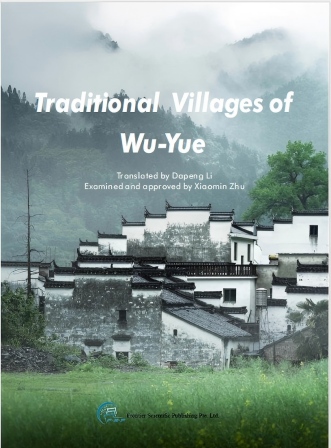
Traditional Villages of Wu -Yue | Translated by Dapeng Li; Examined and approved by
Xiaomin Zhu.
--Frontier Scientific Publishing Pte. Ltd. 2025.8.
ISBN:979-8-9591-3705-2
Ⅰ. ① Traditional…Ⅱ. ① Dapeng…Ⅲ. ① Chapter 1... ② Chapter 2... ③ Chapter 3... ④ Chapter
4... ⑤ Chapter 5... ⑥ Chapter 6... ⑦ References... ⑧ Appendix... ⑨ Postscript...
Title: Traditional Villages of Wu-Yue
Publication: Frontier Scientific Publishing Pte. Ltd.
Address: 195 PEARL’SHILLTERRACE, #03-50K, SINGAPORE
Postal code: 168976
Format: 188mm×265mm 1/16
Number of words: 200000 words
Edition: 2025.8. First edition
Printing: 2025.8. For the first time
ISBN: 979-8-9591-3705-2
List Price: US $ 68.00
Chinese Simplified Edition Copyright © 2020 by 深圳出版社
Chapter 1: Overview...................................................................................................................................... 1
Section 1: Formation of Wu-Yue Culture ........................................................................................... 2
1. Formation of Wu Culture ........................................................................................................2
2. Formation of Yue Culture ....................................................................................................... 5
3. Formation of Wu-Yue Culture ................................................................................................6
Section 2: Connotations and Characteristics of Wu-Yue Culture ....................................................8
1. Connotations of Wu-Yue Culture ........................................................................................... 8
2. Characteristics of Wu-Yue Culture ......................................................................................10
Section 3: Scope of the Wu-Yue Cultural Region............................................................................ 17
Chapter 2: Landscape Features and Formation Reasons of Wu-Yue Traditional Villages..................20
Section 1: Landscape Features of Wu-Yue Traditional Villages.................................................... 21
1. Natural Beauty: Majestic Mountains and Rivers...............................................................21
2. Small Bridges and Flowing Water: Rice, Mulberry, Fishing and Hunting ..................... 22
3. Clan-based Settlements: Ancient Buildings Everywhere ...................................................23
4. Yin-Yang Feng Shui: Harmony Between Heaven and Man.............................................. 24
5. Courtyards and Wooden Houses: Carved Beams and Painted Rafters...........................25
6. Garden Landscapes: Agricultural and Literary Villages.................................................. 26
Section 2: Reasons for the Formation of Wu-Yue Traditional Village Landscapes..................... 26
1. Natural Environment.............................................................................................................27
2. Social Context......................................................................................................................... 29
3. Cultural Factors..................................................................................................................... 30
Chapter 3: Material Culture Landscapes of Wu-Yue Traditional Villages............................................33
Section 1: Settlement Environment of Wu-Yue Traditional Villages.............................................34
1. Centering Around Taihu Lake ..............................................................................................34
2. Originating from Stilt Style Architecture ............................................................................ 34
Section 2: Representative Environmental Elements of Wu-Yue Traditional Villages................. 36
1. Hierarchical Production Space: Dike Paddy Field (Low-lying Field Surrounded with
Dikes) Layouts............................................................................................................................ 36
2. Prominent Water Conservancy Facilities: Pond and River Systems................................37
3. Agricultural Cultural Landscapes Passed Down for Thousands of Years:
Mulberry-Dyke and Fish Pond System and Rice-Fish Symbiosis Systems..........................39
4. Immigration Culture in Village Construction.....................................................................41
Section 3: Spatial Layout of Wu-Yue Traditional Villages..............................................................44
1. Elements and Types of Layouts............................................................................................ 44
2. Layout Imagery...................................................................................................................... 48
3. Layout Patterns...................................................................................................................... 59
Section 4: Architectural Elements of Wu-Yue Traditional Villages............................................... 63
1. Layout and Structure Influenced by Water Factors.......................................................... 63
2. Regionally Different Architectural Decorations................................................................. 65
Chapter 4: Intangible Culture Landscapes of Wu-Yue Traditional Villages......................................... 69
Section 1: Production Methods in Wu-Yue Traditional Villages....................................................70
1. Production Techniques...........................................................................................................70
2. Production Tools.....................................................................................................................76
3. Production Systems................................................................................................................78
Section 2: Customs of Life in Wu-Yue Traditional Villages............................................................79
1. Dialects.................................................................................................................................... 79
2. Food......................................................................................................................................... 80
3. Clothing ...................................................................................................................................85
4. Festivals and Folk Customs...................................................................................................86
Section 3: Folk Beliefs in Wu-Yue Traditional Villages...................................................................90
1. Belief in the Silkworm Deity ................................................................................................. 90
2. Belief in Rice and Fish........................................................................................................... 91
3. Belief in Bird Deities.............................................................................................................. 92
4. Belief in the Three Lights...................................................................................................... 93
5. Belief in the Dragon King ......................................................................................................94
Section 4: Patriarchal Rituals in Wu-Yue Traditional Villages...................................................... 95
1. Clan Ancestral Worship.........................................................................................................95
2. Clan Rituals............................................................................................................................ 96
3. Village Regulations and Clan Agreements...........................................................................99
4. Culture of Local Worthies...................................................................................................100
Section 5: Folk Crafts in Wu-Yue Traditional Villages................................................................. 102
1. Painting ................................................................................................................................. 102
2. Calligraphy ........................................................................................................................... 104
3. Embroidery ........................................................................................................................... 105
4. Traditional Performing Arts............................................................................................... 106
5. Garden Design...................................................................................................................... 108
6. Ceramics................................................................................................................................ 111
Chapter 5: Preservation of Traditional Villages in the Wu-Yue Region...............................................112
Section 1: Current Status of Preservation of Traditional Villages in Wu-Yue Region...............113
1. Distribution Status............................................................................................................... 113
2. Preservation Policies and Achievements............................................................................ 117
Section 2: Challenges and Causes in the Preservation of Traditional Villages in the Wu-Yue
Region................................................................................................................................................. 125
1. Challenges in Preservation..................................................................................................125
2. Analysis of Causes................................................................................................................ 129
Section 3: Pathways for the Preservation of Traditional Villages in Wu-Yue Region................132
1. Revitalizing Cultural Resources to Promote Rural Revitalization.................................132
2. Strengthening Publicity and Education to Raise Preservation Awareness.................... 134
3. Improving Laws and Regulations to Establish a Comprehensive Preservation System135
4. Engaging Villagers and Promoting Diverse Preservation Stakeholders........................ 136
5. Expanding Funding Channels to Bridge the Funding Gap for Preservation................138
Chapter 6: Case Studies of Tourism Revitalization in Traditional Wu-Yue Villages..........................140
Section 1: Community-Led Model of Zhuge Village ..................................................................... 141
1. Introduction to Zhuge Village .............................................................................................141
2. Tourism Revitalization Practices of Zhuge Village ...........................................................142
3. Enlightenment from the Tourism Revitalization Model of Zhuge Village .....................145
Section 2: Government-Led, Market-Operated, Community-Involved Model of Hongcun
Village ................................................................................................................................................. 145
1. Introduction to Hongcun Village ........................................................................................ 145
2. Tourism Revitalization Practices in Hongcun Village ......................................................146
3. Enlightenment from the Tourism Revitalization Model of Hongcun Village ................ 147
Section 3: External Force-Dominated Model of Yangliu Village ..................................................148
1. Introduction to Yangliu Village ...........................................................................................148
2. Current Situation of Yangliu Village ..................................................................................149
3. Tourism Revitalization Practices of Yangliu Village .........................................................149
References....................................................................................................................................................152
Appendix: Lists of traditional villages in Wu-Yue region...................................................................... 155
Postscript.....................................................................................................................................................186
Section 1: Formation of Wu-Yue Culture ........................................................................................... 2
1. Formation of Wu Culture ........................................................................................................2
2. Formation of Yue Culture ....................................................................................................... 5
3. Formation of Wu-Yue Culture ................................................................................................6
Section 2: Connotations and Characteristics of Wu-Yue Culture ....................................................8
1. Connotations of Wu-Yue Culture ........................................................................................... 8
2. Characteristics of Wu-Yue Culture ......................................................................................10
Section 3: Scope of the Wu-Yue Cultural Region............................................................................ 17
Chapter 2: Landscape Features and Formation Reasons of Wu-Yue Traditional Villages..................20
Section 1: Landscape Features of Wu-Yue Traditional Villages.................................................... 21
1. Natural Beauty: Majestic Mountains and Rivers...............................................................21
2. Small Bridges and Flowing Water: Rice, Mulberry, Fishing and Hunting ..................... 22
3. Clan-based Settlements: Ancient Buildings Everywhere ...................................................23
4. Yin-Yang Feng Shui: Harmony Between Heaven and Man.............................................. 24
5. Courtyards and Wooden Houses: Carved Beams and Painted Rafters...........................25
6. Garden Landscapes: Agricultural and Literary Villages.................................................. 26
Section 2: Reasons for the Formation of Wu-Yue Traditional Village Landscapes..................... 26
1. Natural Environment.............................................................................................................27
2. Social Context......................................................................................................................... 29
3. Cultural Factors..................................................................................................................... 30
Chapter 3: Material Culture Landscapes of Wu-Yue Traditional Villages............................................33
Section 1: Settlement Environment of Wu-Yue Traditional Villages.............................................34
1. Centering Around Taihu Lake ..............................................................................................34
2. Originating from Stilt Style Architecture ............................................................................ 34
Section 2: Representative Environmental Elements of Wu-Yue Traditional Villages................. 36
1. Hierarchical Production Space: Dike Paddy Field (Low-lying Field Surrounded with
Dikes) Layouts............................................................................................................................ 36
2. Prominent Water Conservancy Facilities: Pond and River Systems................................37
3. Agricultural Cultural Landscapes Passed Down for Thousands of Years:
Mulberry-Dyke and Fish Pond System and Rice-Fish Symbiosis Systems..........................39
4. Immigration Culture in Village Construction.....................................................................41
Section 3: Spatial Layout of Wu-Yue Traditional Villages..............................................................44
1. Elements and Types of Layouts............................................................................................ 44
2. Layout Imagery...................................................................................................................... 48
3. Layout Patterns...................................................................................................................... 59
Section 4: Architectural Elements of Wu-Yue Traditional Villages............................................... 63
1. Layout and Structure Influenced by Water Factors.......................................................... 63
2. Regionally Different Architectural Decorations................................................................. 65
Chapter 4: Intangible Culture Landscapes of Wu-Yue Traditional Villages......................................... 69
Section 1: Production Methods in Wu-Yue Traditional Villages....................................................70
1. Production Techniques...........................................................................................................70
2. Production Tools.....................................................................................................................76
3. Production Systems................................................................................................................78
Section 2: Customs of Life in Wu-Yue Traditional Villages............................................................79
1. Dialects.................................................................................................................................... 79
2. Food......................................................................................................................................... 80
3. Clothing ...................................................................................................................................85
4. Festivals and Folk Customs...................................................................................................86
Section 3: Folk Beliefs in Wu-Yue Traditional Villages...................................................................90
1. Belief in the Silkworm Deity ................................................................................................. 90
2. Belief in Rice and Fish........................................................................................................... 91
3. Belief in Bird Deities.............................................................................................................. 92
4. Belief in the Three Lights...................................................................................................... 93
5. Belief in the Dragon King ......................................................................................................94
Section 4: Patriarchal Rituals in Wu-Yue Traditional Villages...................................................... 95
1. Clan Ancestral Worship.........................................................................................................95
2. Clan Rituals............................................................................................................................ 96
3. Village Regulations and Clan Agreements...........................................................................99
4. Culture of Local Worthies...................................................................................................100
Section 5: Folk Crafts in Wu-Yue Traditional Villages................................................................. 102
1. Painting ................................................................................................................................. 102
2. Calligraphy ........................................................................................................................... 104
3. Embroidery ........................................................................................................................... 105
4. Traditional Performing Arts............................................................................................... 106
5. Garden Design...................................................................................................................... 108
6. Ceramics................................................................................................................................ 111
Chapter 5: Preservation of Traditional Villages in the Wu-Yue Region...............................................112
Section 1: Current Status of Preservation of Traditional Villages in Wu-Yue Region...............113
1. Distribution Status............................................................................................................... 113
2. Preservation Policies and Achievements............................................................................ 117
Section 2: Challenges and Causes in the Preservation of Traditional Villages in the Wu-Yue
Region................................................................................................................................................. 125
1. Challenges in Preservation..................................................................................................125
2. Analysis of Causes................................................................................................................ 129
Section 3: Pathways for the Preservation of Traditional Villages in Wu-Yue Region................132
1. Revitalizing Cultural Resources to Promote Rural Revitalization.................................132
2. Strengthening Publicity and Education to Raise Preservation Awareness.................... 134
3. Improving Laws and Regulations to Establish a Comprehensive Preservation System135
4. Engaging Villagers and Promoting Diverse Preservation Stakeholders........................ 136
5. Expanding Funding Channels to Bridge the Funding Gap for Preservation................138
Chapter 6: Case Studies of Tourism Revitalization in Traditional Wu-Yue Villages..........................140
Section 1: Community-Led Model of Zhuge Village ..................................................................... 141
1. Introduction to Zhuge Village .............................................................................................141
2. Tourism Revitalization Practices of Zhuge Village ...........................................................142
3. Enlightenment from the Tourism Revitalization Model of Zhuge Village .....................145
Section 2: Government-Led, Market-Operated, Community-Involved Model of Hongcun
Village ................................................................................................................................................. 145
1. Introduction to Hongcun Village ........................................................................................ 145
2. Tourism Revitalization Practices in Hongcun Village ......................................................146
3. Enlightenment from the Tourism Revitalization Model of Hongcun Village ................ 147
Section 3: External Force-Dominated Model of Yangliu Village ..................................................148
1. Introduction to Yangliu Village ...........................................................................................148
2. Current Situation of Yangliu Village ..................................................................................149
3. Tourism Revitalization Practices of Yangliu Village .........................................................149
References....................................................................................................................................................152
Appendix: Lists of traditional villages in Wu-Yue region...................................................................... 155
Postscript.....................................................................................................................................................186
Dapeng Li is an associate professor and master’s supervisor of Translation in the School of Foreign Languages, Suzhou University of Technology. Some of his professional affiliations include expert member
of Translators Association of China, senior member of China Association for Foreign Language Education Research at China Association of Higher Education, and expert of China National Knowledge Infrastructure (CNKI) Evaluation Expert Database. He earned his B.A in English in 2012, and MTI in English Interpreting in 2014. He has been teaching in universities in China since 2013. He was sponsored by Center for Language Education and Cooperation (CLEC) affiliated with the Chinese Ministry of Education to teach and research at University of Kentucky, USA from 2016 to 2018. His research interests include translation, intercultural communication, and English education. He has completed over 10 provincial-level or above grants and has authored 1 book and over 30 research articles. He also holds an impressive list of honors and awards for his excellence in teaching and research.
Worldcat: https://www.worldcat.org/
Ebsco: https://research.ebsco.com/
Crossref: 10.32629/9798959137052